AI Porn Art Styles Explained: Realistic vs Anime vs 3D vs Fantasy
October 6, 2026
Type “beautiful woman” into any AI image generator and you’ll get a result. But type “beautiful woman, photorealistic” versus “beautiful woman, anime style” and you’ll get two images that look like they came from different universes. The art style you choose is the single biggest lever controlling what your AI-generated images look like — bigger than the model, bigger than the seed, bigger than almost any other word in your prompt.
Yet most beginners treat style as an afterthought. They write a detailed scene description, forget to name a style, and let the generator pick one at random. The result: inconsistent feeds where one image looks like a photograph and the next looks like a cartoon, with no coherent aesthetic.
This guide breaks down the four art styles that dominate AI-generated adult art in 2026 — Realistic, Anime, 3D, and Fantasy — with visual examples, the prompt keywords that trigger each one, honest pros and cons, and advice on which style fits which goal. Every example image below was AI-generated. And if you want to experiment with these styles yourself, you can try SpicyLab’s free AI porn generator — one free preview per IP, no watermark, no sign-up needed for the trial.
Why Art Style Matters More Than You Think
An AI image model doesn’t “draw” the way a human artist does. It predicts pixels based on patterns learned from millions of captioned images. When you name a style, you’re telling the model which corner of its training data to sample from — photography datasets for realistic, illustration datasets for anime, game-art datasets for 3D, and so on. That’s why one word can completely transform an output.
Style choice affects more than looks:
- Anatomy forgiveness. Stylized art (anime, 3D) hides the hand and finger glitches that plague photorealistic generations.
- Consistency. Some styles hold a character’s look across images far better than others.
- Audience expectations. Different communities (Reddit, Discord servers, art platforms) have strong style preferences. Matching the room matters if you share your work.
- Generation cost. Photorealistic detail often needs higher resolutions and more refinement passes — which means more credits per keeper image.
1. Realistic / Photorealistic
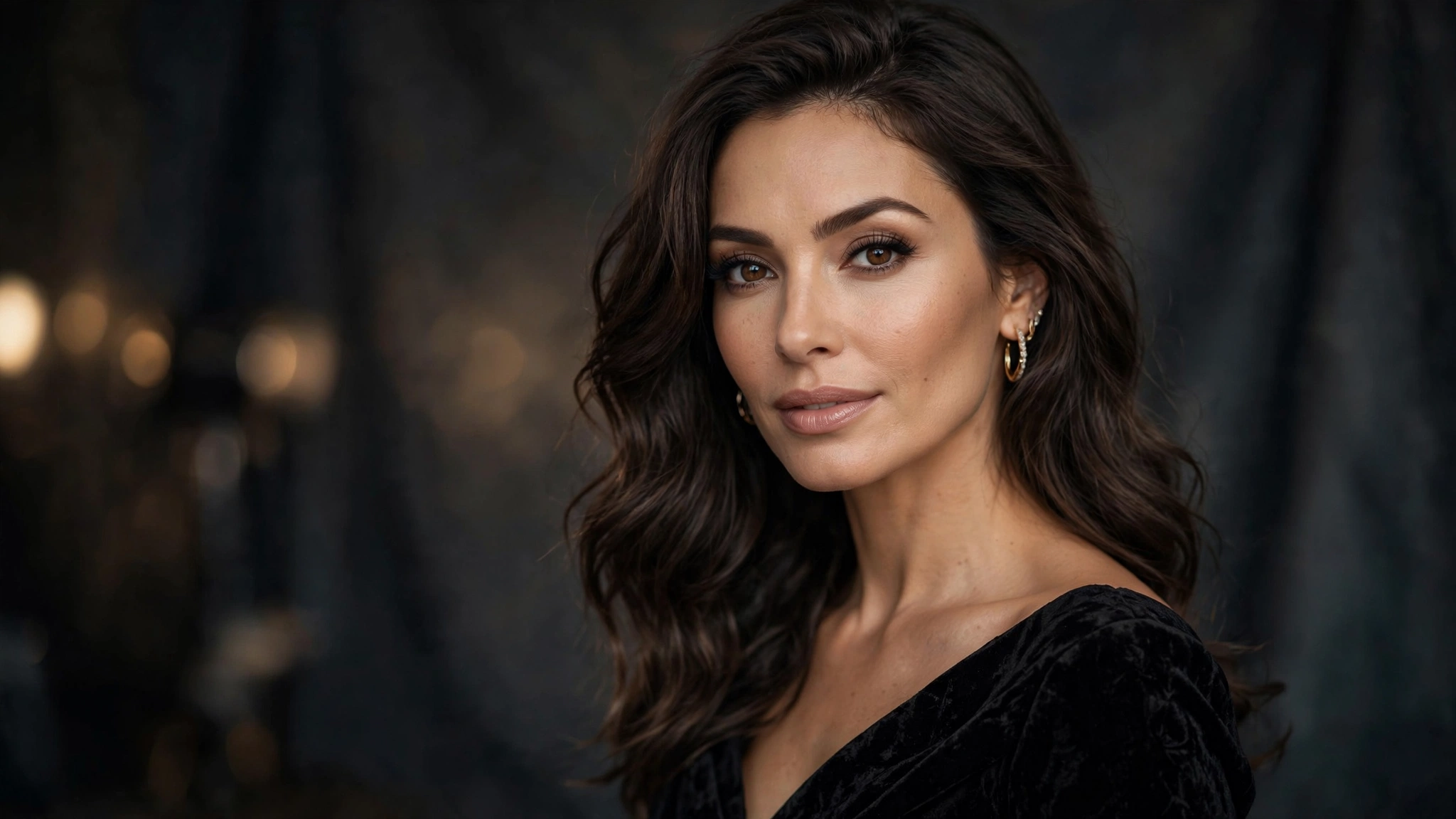
The look: Indistinguishable-from-photography imagery — skin texture, natural lighting falloff, photographic depth of field, believable imperfections. This is the style most people picture when they hear “AI-generated image,” and it’s the hardest for models to nail convincingly.
Strengths:
- Maximum believability and emotional impact — viewers respond to photorealistic faces more strongly than any other style.
- Enormous prompt vocabulary to draw on: decades of photography language (lens types, lighting setups, film stocks) all work as style triggers.
- Best choice for “could this be real?” concepts and lifelike character portraits.
Weaknesses:
- Anatomy is merciless. Extra fingers, melted hands, and asymmetrical ears are instantly obvious in photorealistic style — the same glitch that anime shrugs off will ruin a realistic image.
- The uncanny valley is real: near-perfect faces with one wrong detail feel creepy rather than beautiful.
- Demands the most refinement — expect more discarded generations per keeper than any other style.
Prompt keywords that trigger it: photorealistic, ultra-detailed, 85mm portrait, studio lighting, natural skin texture, shallow depth of field, shot on Canon EOS R5, cinematic color grading. Negative prompts help too: cartoon, illustration, 3d render, painting steers the model away from stylized territory.
Best for: lifelike portraits, believable scenarios, anyone chasing maximum realism — and anyone willing to burn extra generations chasing it.
2. Anime
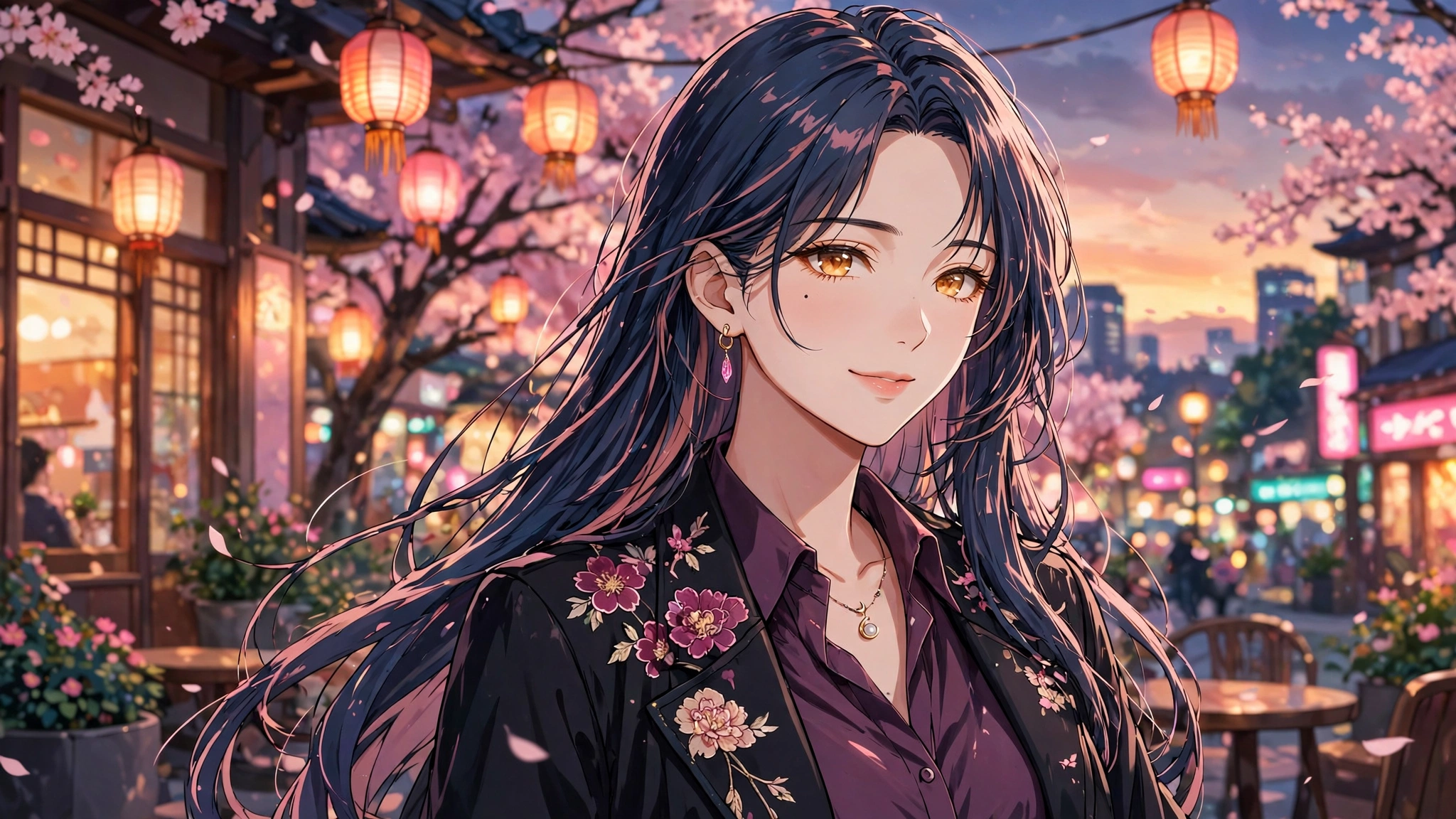
The look: Cel-shaded illustration in the visual language of Japanese animation — clean linework, vibrant flat-ish color, expressive eyes, idealized proportions. The anime aesthetic dominates a huge share of AI-generated adult art, with an entire subculture (and dedicated model ecosystem) built around it.
Strengths:
- The most forgiving style for anatomy. Stylized proportions mean the occasional extra finger reads as a quirk, not a horror show.
- Fast to a good result — anime models tend to produce attractive outputs with minimal prompting.
- Massive community: shared styles, LoRAs, and prompt recipes mean you’re never starting from zero. If you want hentai-adjacent aesthetics specifically, this is the only serious option.
- Distinctive sub-styles (shonen, shojo, retro 90s cel, modern digital anime) give you range within the category.
Weaknesses:
- Same-face syndrome. Anime models converge on a narrow band of “pretty” — getting a distinctive character takes deliberate effort.
- Can look generic at a glance — the style is so common that standing out requires stronger art direction.
- Text and fine details (jewelry, lace, background signage) render less reliably than in realistic style.
Prompt keywords that trigger it: anime style, cel shaded, vibrant, detailed anime illustration, 2d, sharp focus, clean linework.
Best for: stylized beauty, the hentai/anime niche, fast iteration, and anyone who wants attractive results without fighting anatomy glitches.
3. 3D / CGI Render
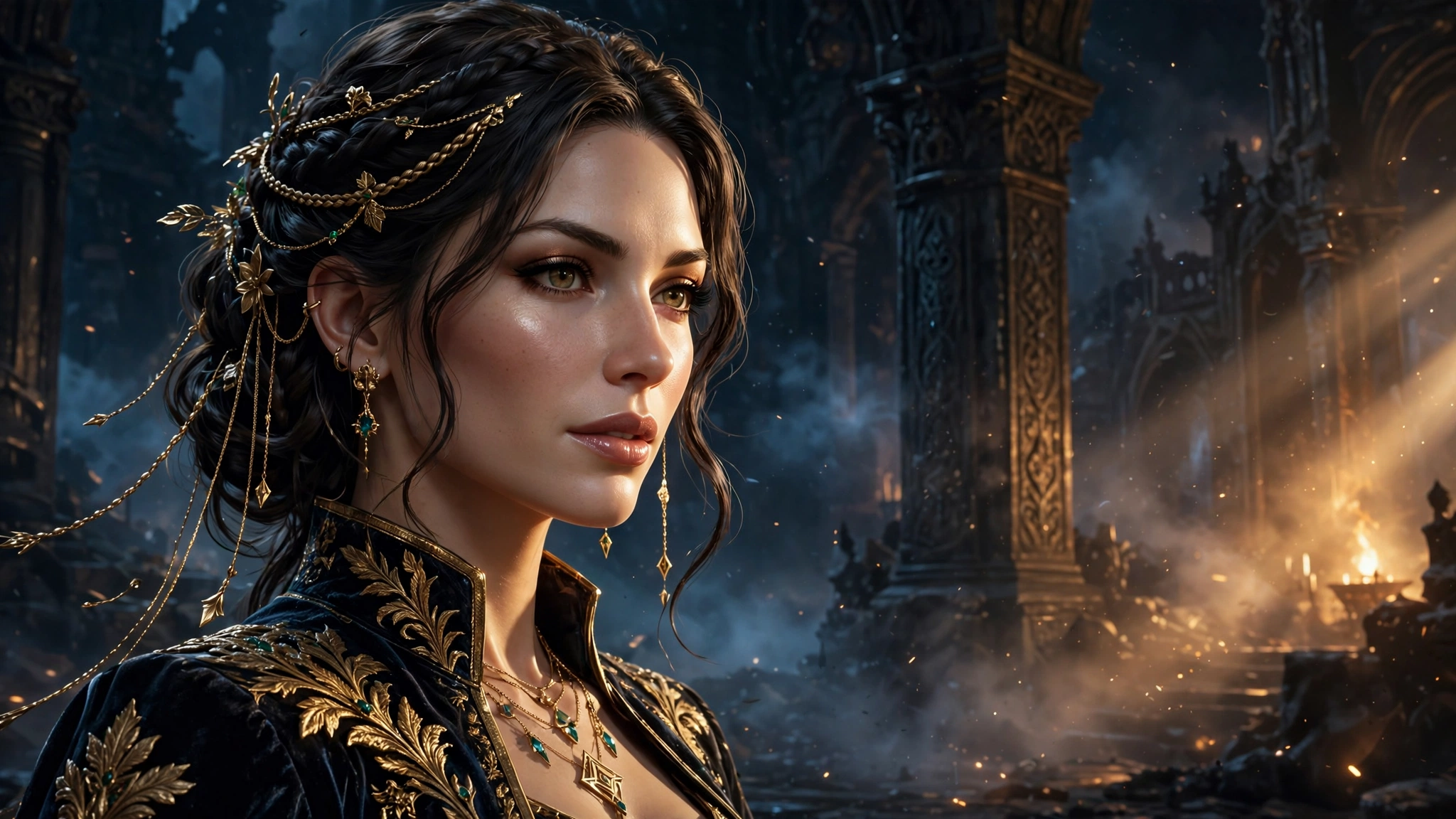
The look: The polished aesthetic of game cinematics and animated films — smooth subsurface-scattered skin, dramatic rim lighting, sculpted detail. Think a AAA game character select screen. It sits between realistic and anime: dimensional like a photo, idealized like an illustration.
Strengths:
- Striking, premium feel — 3D renders read as “expensive” even at small sizes, which is why the style dominates thumbnails and profile pictures.
- More forgiving than photorealistic on anatomy while keeping dimensional depth that flat anime lacks.
- Excellent for character design work: the sculpted look holds up well across poses and angles.
Weaknesses:
- Plastic-skin risk. Push the smoothness too far and skin turns waxy — the uncanny valley’s shinier cousin.
- Can feel generic: the “game cinematic” look is popular enough that outputs start to resemble each other.
- Fine surface detail (fabric weave, pores, hair strands) renders less convincingly than true photorealistic.
Prompt keywords that trigger it: 3d render, unreal engine 5, octane render, game cinematic, subsurface scattering, dramatic rim lighting, highly detailed 3d character.
Best for: thumbnails, character showcases, stylized-but-dimensional portraits, and anyone who wants polish without photorealistic fussiness.
4. Fantasy / Digital Painting
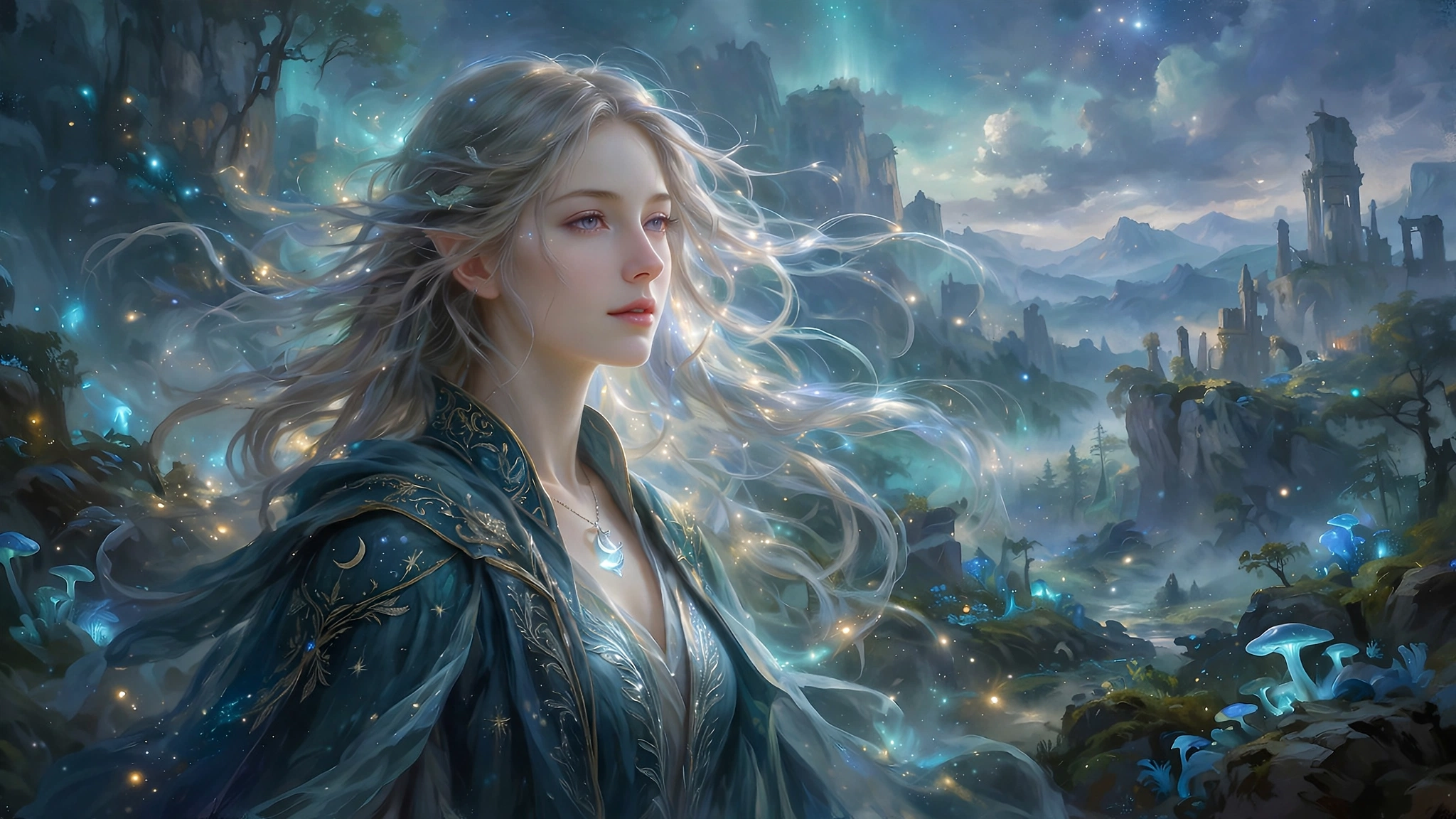
The look: Painterly, atmospheric, storybook — visible brushwork (or the suggestion of it), magical lighting, impossible environments. The fantasy style trades literal believability for mood and imagination: glowing forests, celestial skies, ethereal figures that couldn’t exist in a photograph.
Strengths:
- Maximum creative freedom. When the scene itself is impossible, viewers stop auditing anatomy and start feeling atmosphere.
- Hides flaws beautifully — painterly rendering is the most forgiving style of all for hands, backgrounds, and fine detail.
- Uniquely suited to themed concepts: elven, celestial, dark sorceress, mythological.
Weaknesses:
- Least precise — if you need a specific face, outfit, or composition reproduced faithfully, painterly styles will drift.
- Can look muddy or over-processed if the prompt doesn’t commit to a clear mood.
- Harder to keep a character consistent across multiple images.
Prompt keywords that trigger it: fantasy art, digital painting, ethereal, painterly, magical atmosphere, intricate details, epic lighting, concept art.
Best for: atmospheric scenes, themed character concepts, and anyone who’d rather evoke a mood than document a face.
Side-by-Side Comparison
| Style | Believability | Anatomy forgiveness | Prompt difficulty | Best use case |
|---|---|---|---|---|
| Realistic | ★★★★★ | ★☆☆☆☆ | Hard — needs detailed photo language | Lifelike portraits, believable scenes |
| Anime | ★★☆☆☆ | ★★★★☆ | Easy — attractive by default | Stylized beauty, hentai niche, fast iteration |
| 3D / CGI | ★★★★☆ | ★★★☆☆ | Medium — render keywords do heavy lifting | Thumbnails, character showcases |
| Fantasy | ★★☆☆☆ | ★★★★★ | Medium — mood words matter most | Atmospheric scenes, themed concepts |
How to Pick the Right Style for Your Goal
Stop asking “which style is best” and start asking “best for what“:
- Building a believable persona? Realistic. Nothing else sells “real person” — but budget extra generations for anatomy fixes.
- Posting in anime communities? Anime — but push past the default pretty-face with distinctive features, outfits, and settings.
- Need a striking avatar or thumbnail? 3D render. It pops at small sizes like nothing else.
- Creating a themed series (elf, goddess, sorceress)? Fantasy painting. Let the atmosphere carry the concept.
- Just starting out? Anime or fantasy — the most forgiving while you learn prompting fundamentals.
Can You Mix Styles?
Yes — and some of the most interesting AI art lives in the blends. “Photorealistic with anime-inspired lighting,” “3D render in a fantasy painting style” — models handle these hybrids surprisingly well. Two rules:
- Lead with one dominant style. “Anime style portrait with photorealistic lighting details” works. Piling four style words together is a coin flip.
- Keep the ratio in the prompt. Put the dominant style first and repeat it; mention the secondary influence once. Prompt order is a soft weighting mechanism.
Style Consistency Across a Series
- Reuse your style block verbatim. Copy-paste the exact style keywords into every prompt in the series. Even small wording changes drift the aesthetic.
- Lock one variable at a time. When iterating, change the scene or the style, never both.
- Use reference images when available. Image-to-image anchors style far better than text alone.
- Batch and curate. Generate in batches of 4–8, keep the ones matching your target aesthetic.
Try All Four Styles Free
Reading about styles is useful; seeing your own prompt rendered four ways is what builds intuition. SpicyLab’s free AI porn generator gives you one free preview per IP with no watermark — enough to run the same prompt through realistic, anime, 3D, and fantasy wordings and compare side by side. No sign-up needed for the trial, and failed jobs are automatically refunded.
A good first experiment: take one simple prompt — “elegant woman in a garden at sunset” — and generate it four times, appending one style block each time: photorealistic, 85mm portrait / anime style, cel shaded / 3d render, unreal engine / fantasy digital painting, ethereal. You’ll learn more in ten minutes than in an hour of reading.
FAQ
Which AI art style is easiest for beginners?
Anime. It’s the most forgiving on anatomy, produces attractive results with minimal prompting, and has the largest community sharing prompt recipes. Fantasy painting is a close second.
Why do my photorealistic images have weird hands?
Hands are the hardest anatomy for image models, and photorealistic style shows every flaw. Keep hands out of frame or in simple poses, add well-drawn hands to the prompt, use negative prompts like deformed hands, extra fingers, or switch to a more forgiving style.
Can I get the same character in different styles?
Approximately, but not exactly. Use a detailed, consistent character description plus a reference image if your generator supports it. Expect the “same” character to read as a cousin across styles rather than a twin.
Do different styles cost different amounts to generate?
The generation itself usually costs the same; the difference is how many attempts you need. Photorealistic typically needs more discards per keeper. On SpicyLab, failed jobs are auto-refunded, which softens experimentation cost.
What style do most AI adult art communities prefer?
It splits by community: anime dominates hentai-oriented spaces, photorealistic dominates realism showcases, and 3D/fantasy have strong niches in character-design and themed communities.
Should I stick to one style or experiment?
Learn one style well first — consistency compounds. Once you can reliably produce keepers in one aesthetic, branch out.